My Role
Lead Product Designer
Building the Stack Overflow for the Decentralised Web.
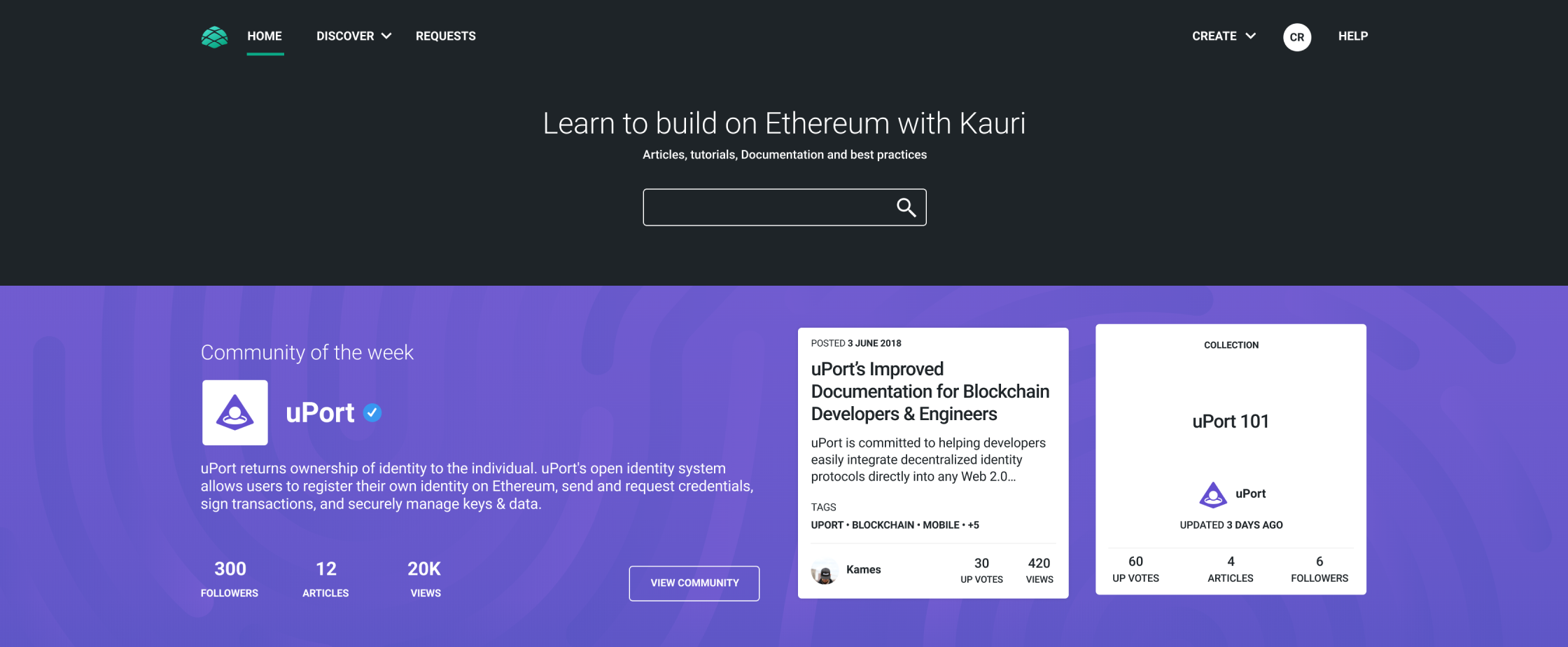
Lead Product Designer
As the founding design lead, I drove Kauri from concept to delivery. I was responsible for shaping the incentive model, contribution flows, and progressive decentralisation strategy that allowed the platform to scale beyond a traditional documentation site. Shipped MVP in 6 months, exceeding adoption goals by 40% and worked closely with 1 PM, 1 Tech Lead, 5 Developers and 1 Community Manager.
Impact
Context: The Ethereum ecosystem was fragmented, and documentation was scattered across Medium, GitHub, and Reddit, often becoming obsolete weeks after publishing. This created a high barrier to entry for new developers, stifling the growth of the Ethereum network and ConsenSys’s core mission.
Problem: Developers were wasting hours verifying if code snippets were still valid. They had no single source of truth and no incentive to update broken tutorials for others.
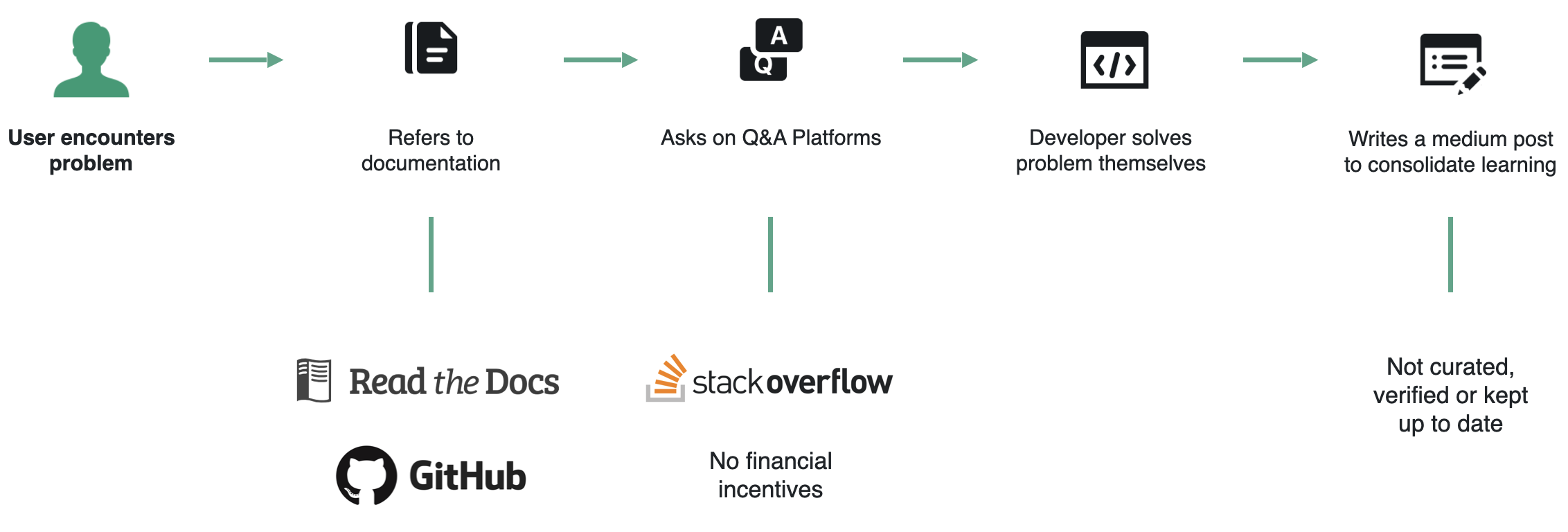
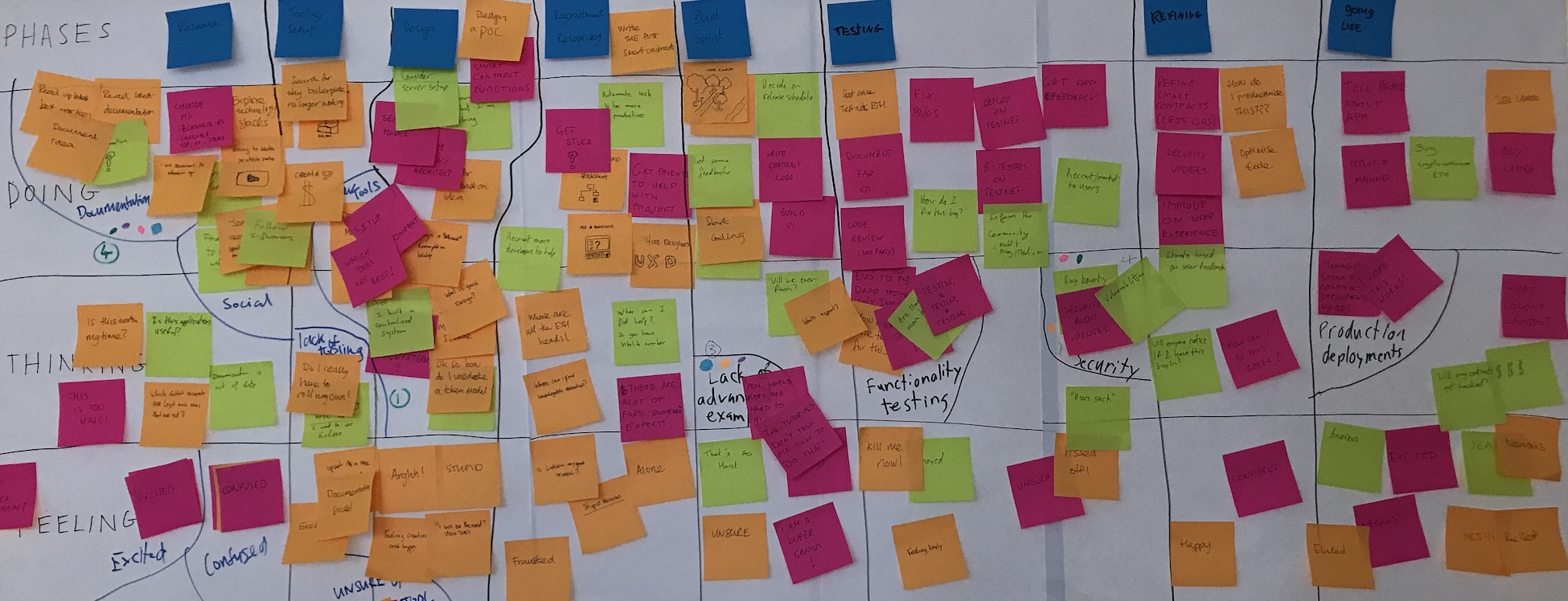
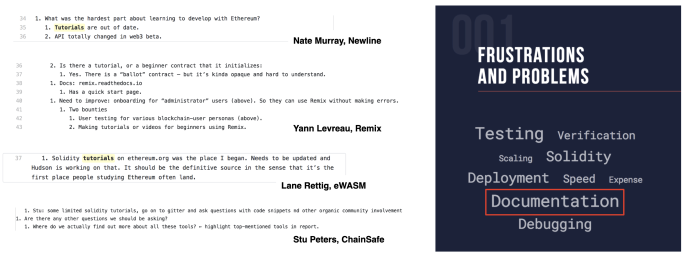
I led the user research phase, conducting research with 100+ developers ranging from hackathon beginners to protocol architects. We identified a critical gap between the users’ expectations from Web2 and the friction required by Web3.
Key Insights
Learner (Web2 Developer)
Wants to learn Ethereum development and find answers to specific problems.
Pain: Unsure which resources are current or trustworthy, and repeatedly encounters conflicting or outdated tutorials.
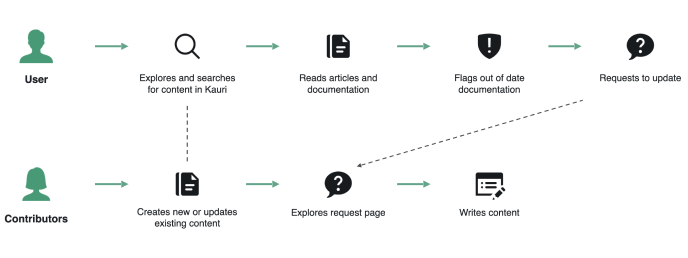
Writer (Contributor)
Developers or technical writers who document their learnings while building, debugging, or contributing to open-source projects.
Pain: Little incentive to maintain or update content over time, contributions are scattered, and financial incentives often introduce friction.
Rather than fully decentralising from day one, I proposed a strategy of progressive decentralisation, designing a system that starts with familiar Web2 interactions and gradually introduces Web3 mechanics as users gain confidence.
This led to three core design principles:
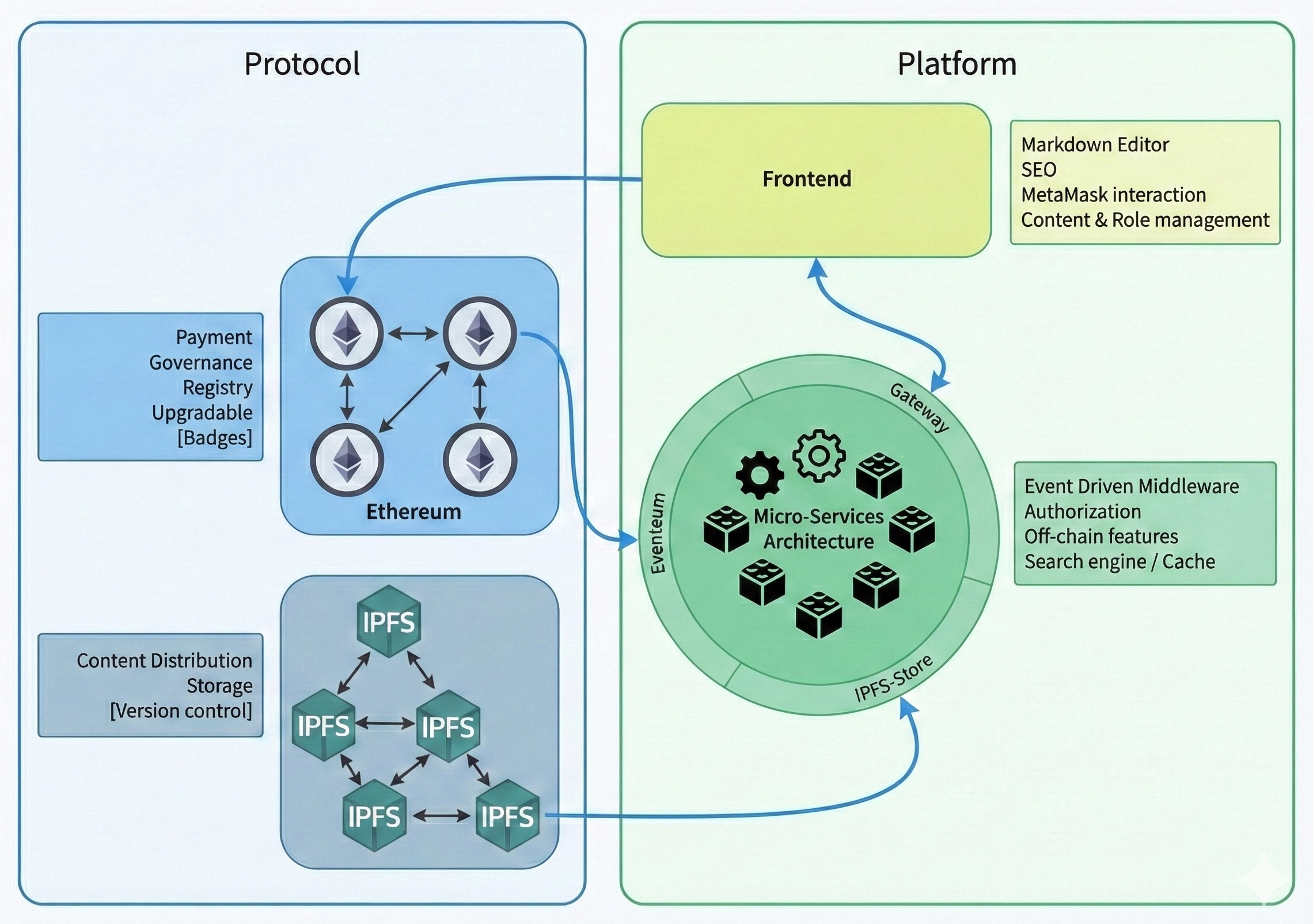
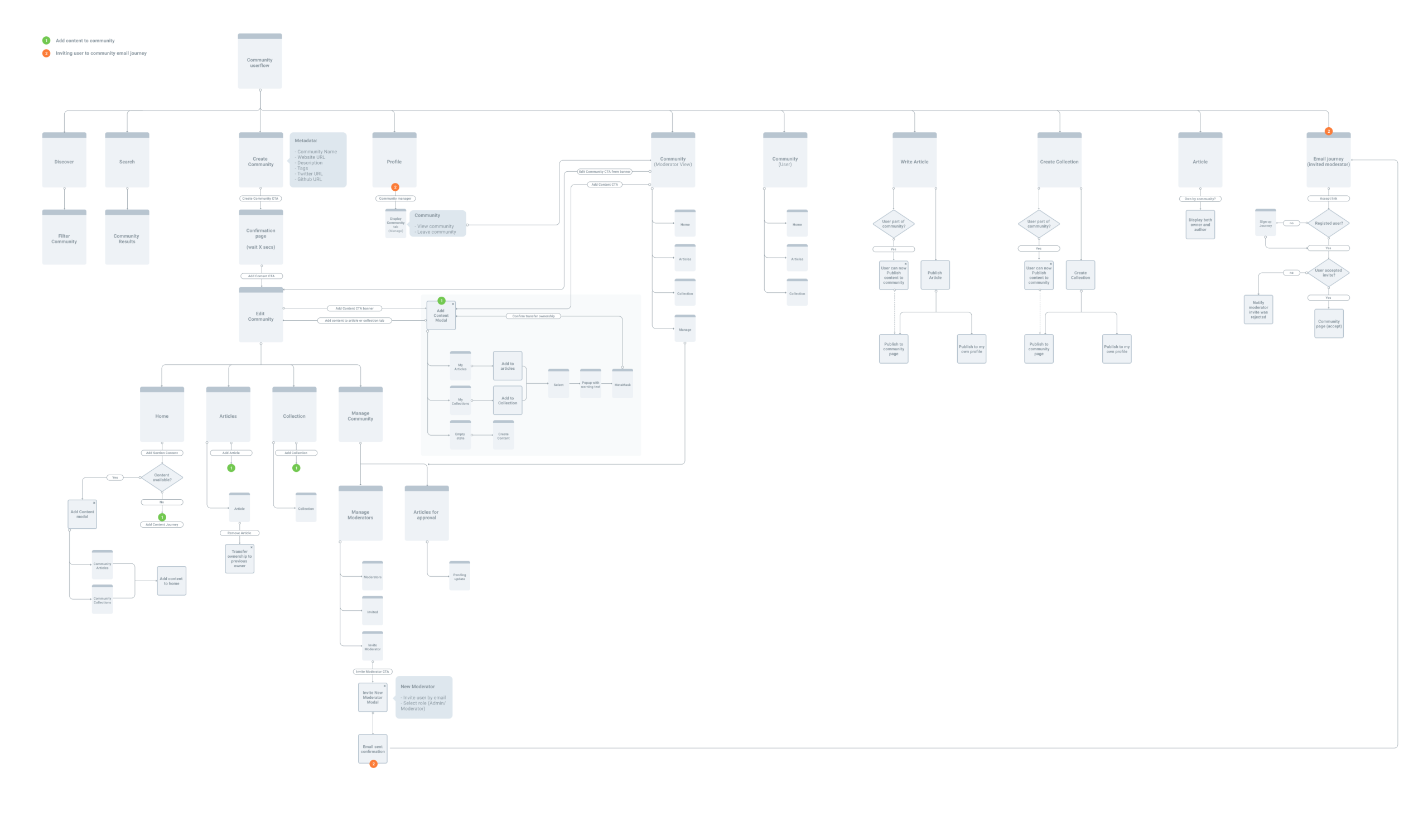
I created a series of low to high-fidelity prototypes to explore how developers would discover, create, and maintain technical knowledge across different levels of experience.
Result: We intentionally delayed mandatory wallet interactions until users demonstrated contribution intent, accepting lower on-chain purity in exchange for higher adoption.

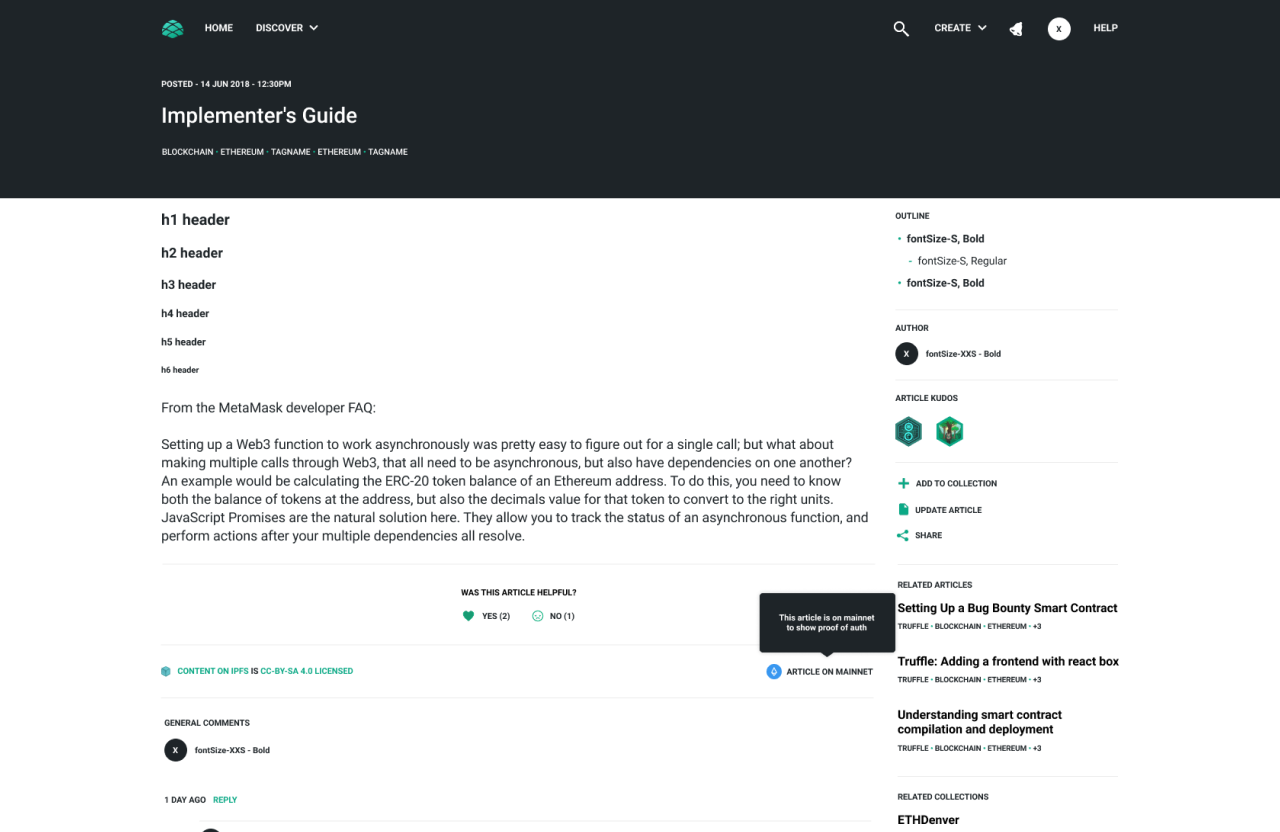
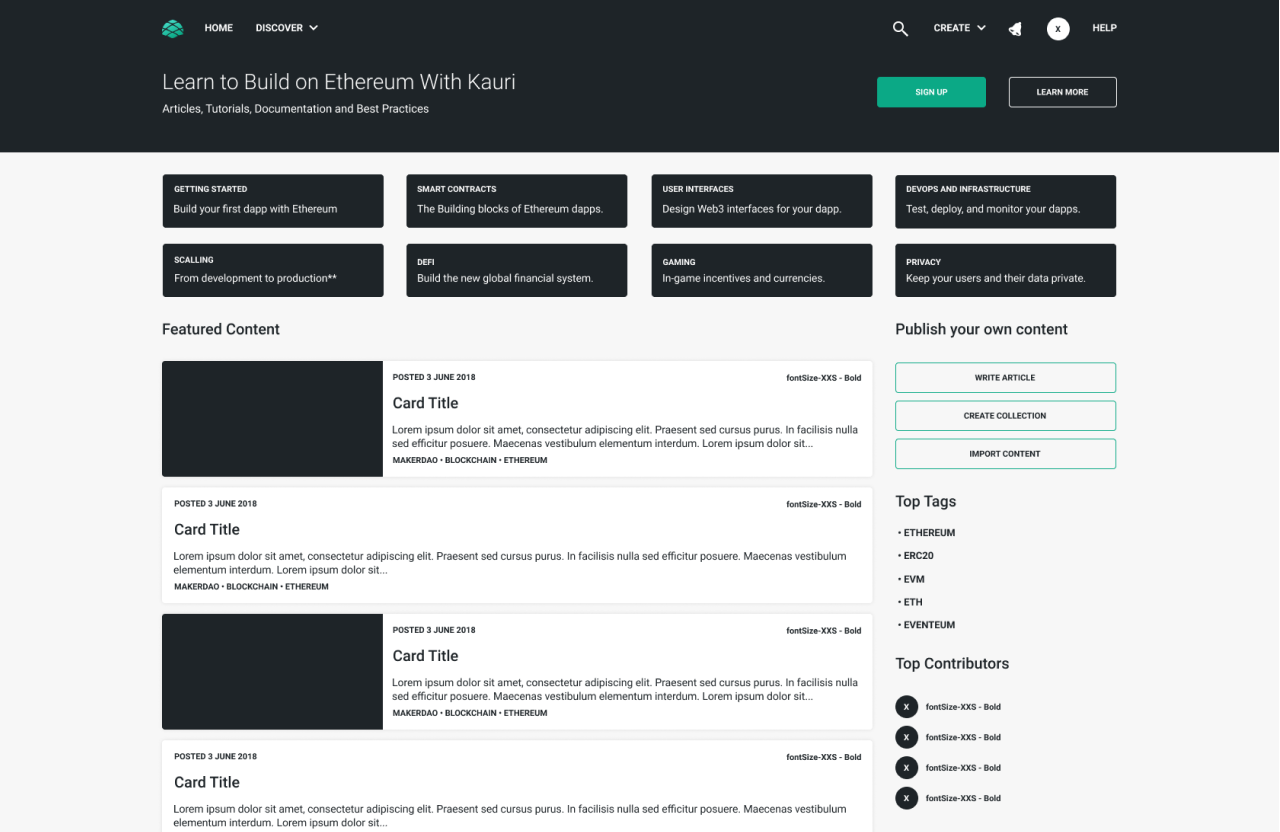
Validation happened continuously in real-world environments. I tested prototypes and live builds with developers at Ethereum hackathons, meetups, and ecosystem events, observing how Kauri was used under genuine time and cognitive pressure.
Insights
These insights directly shaped the final product decisions, delaying mandatory blockchain interactions, prioritising reputation over rewards, and designing contribution flows that felt familiar before becoming decentralised.
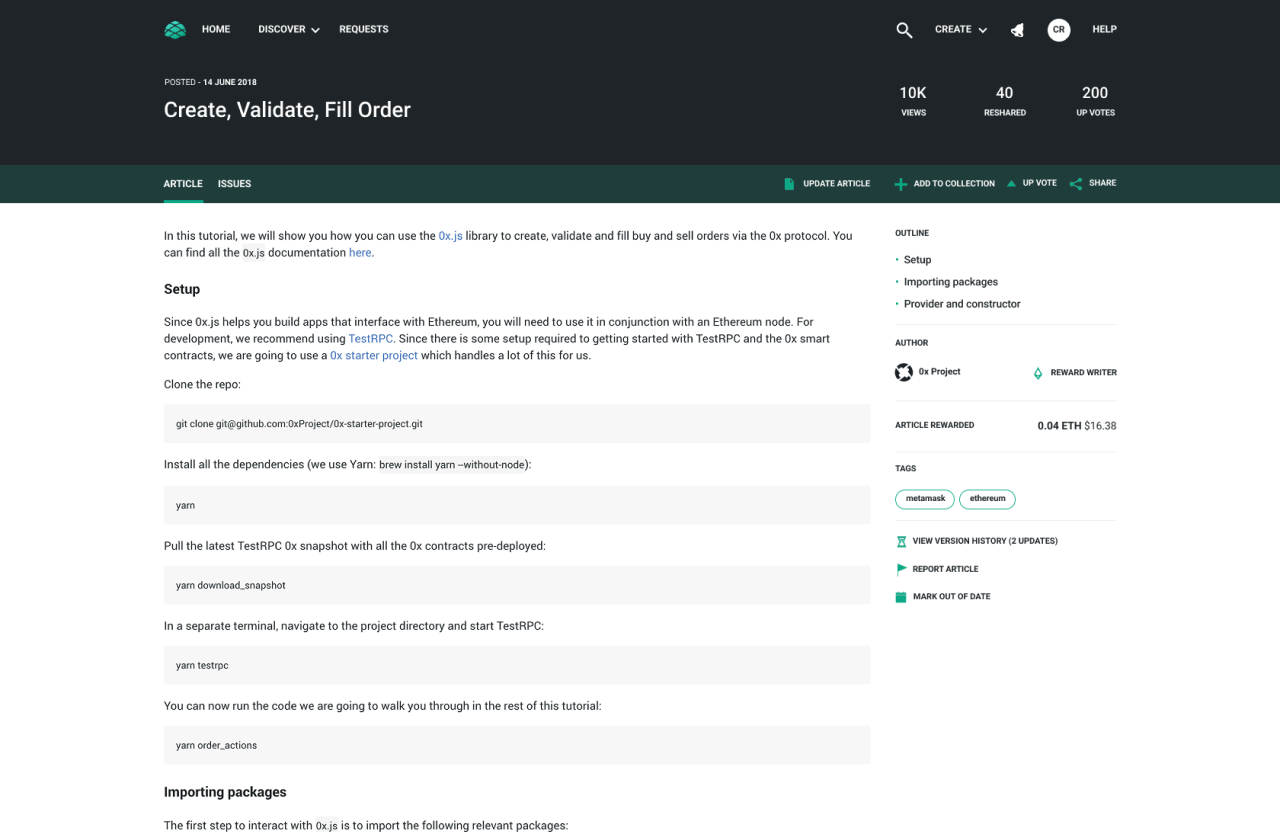

Kauri became a critical bridge between passive knowledge and active contribution in the Ethereum ecosystem. It supported thousands of developers, centralised high-quality technical knowledge, and established sustainable incentives for community-driven documentation.
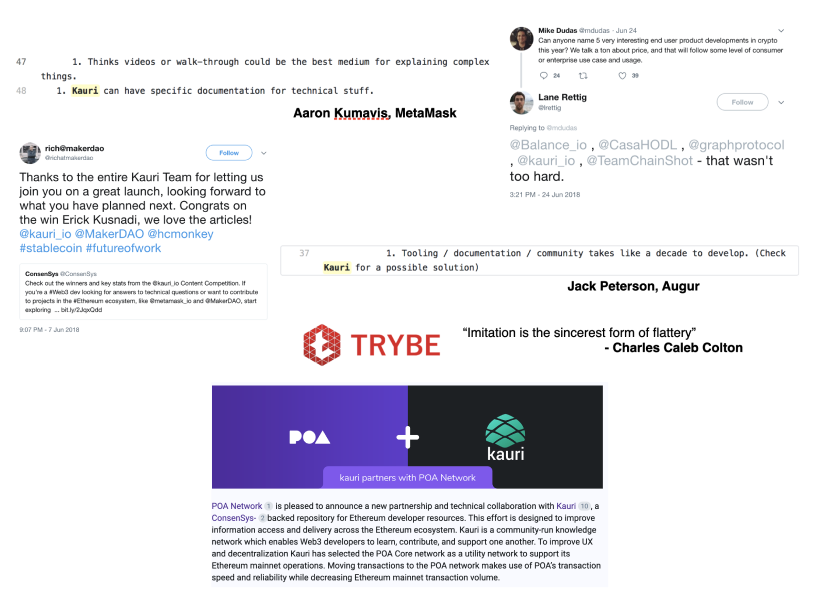
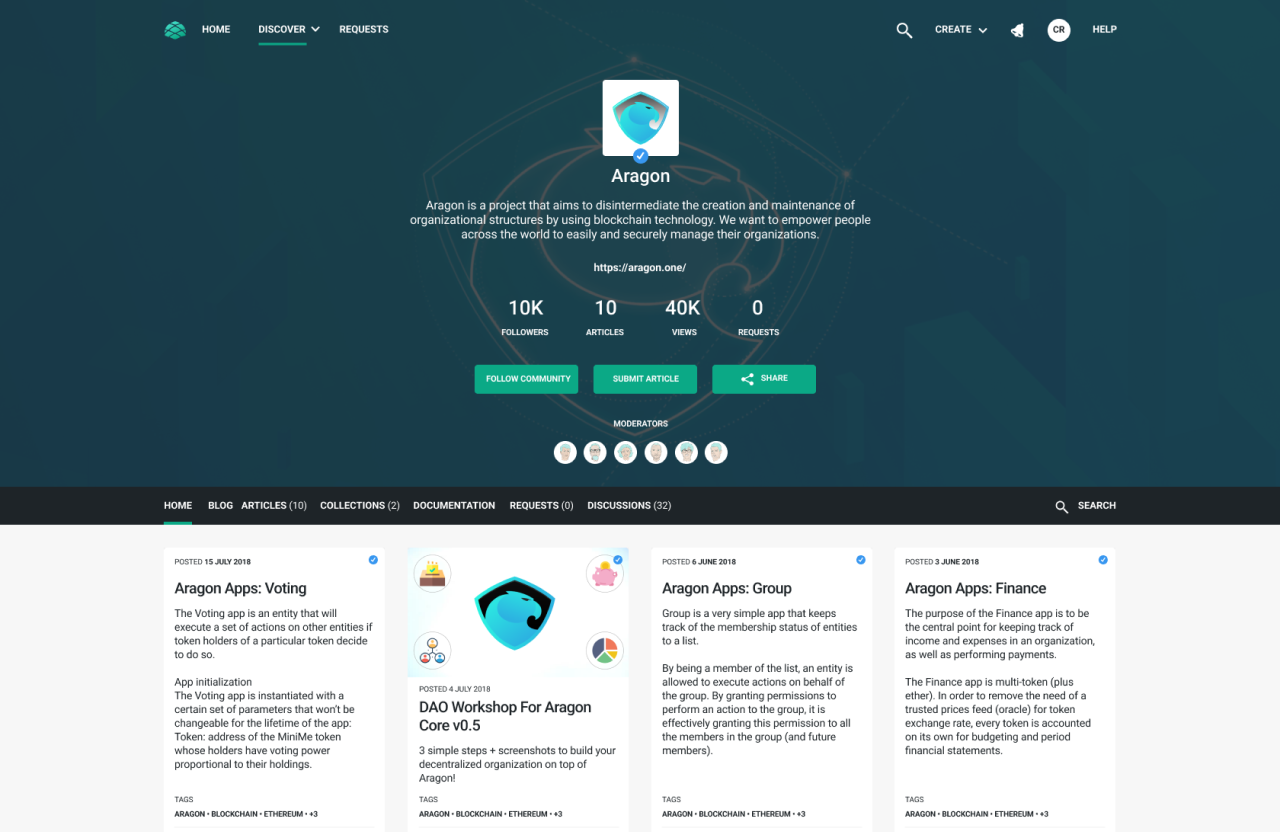
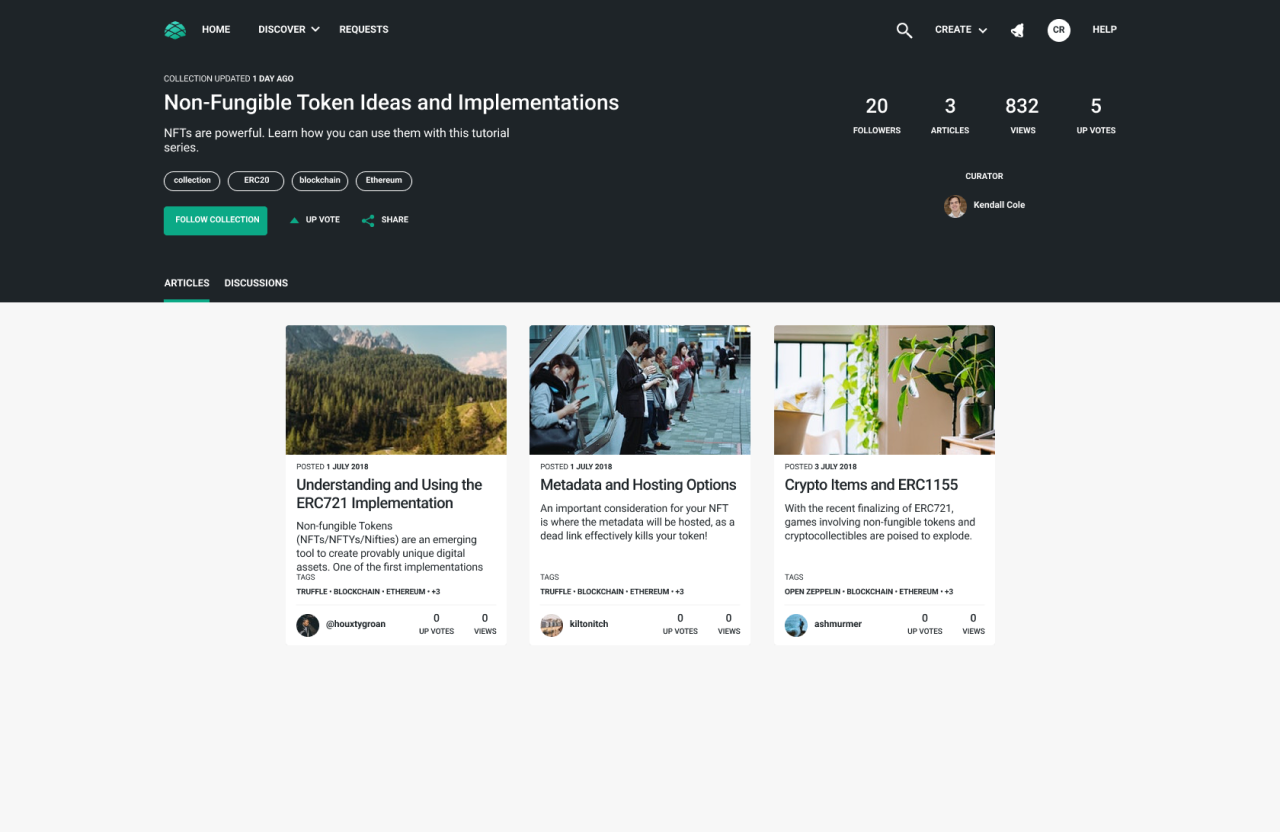
Interfaces alone don’t scale community ecosystems, incentives do. Kauri reinforced that in decentralised systems, success depends on aligning user motivation and long-term trust, not just usability. We optimised heavily for the writer and reader, but the curator was actually the persona that held the platform together.